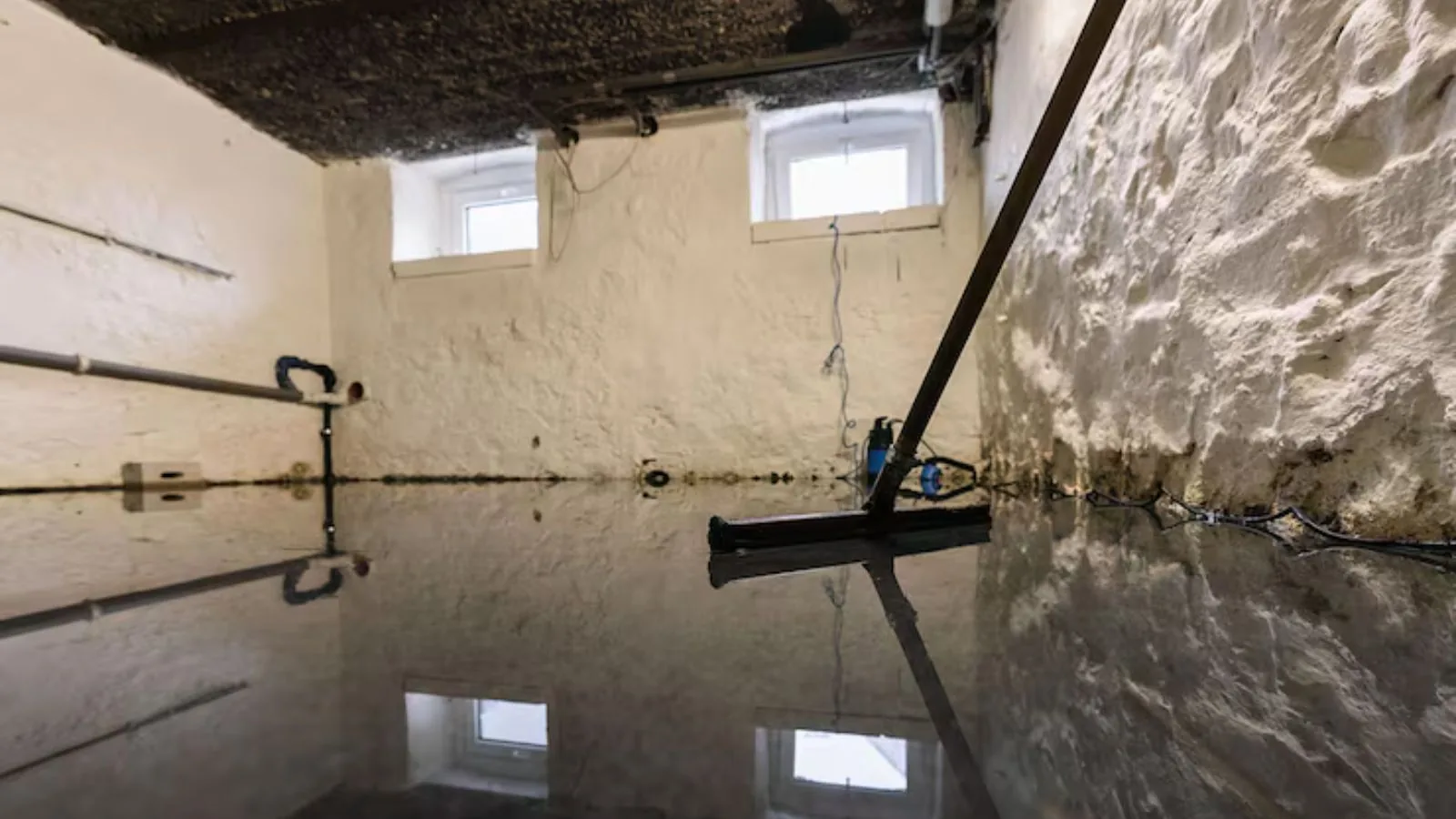
Dark spots on a basement wall or joist cause a lot of worry. The term black mold gets used for almost anything dark and fuzzy, but color alone does not tell you what a growth is. What it does tell you is that moisture has been present long enough for growth to establish.
This guide explains what you can safely do, when the size of the problem calls for professionals and why drying the area matters more than the name on the stain. Health questions about mold belong with a physician.
Why color is not an identification
Mold comes in many colors, and the same species can look different on different materials. Dust, soot, efflorescence and old water stains also look dark on masonry and wood. You cannot name a growth by looking, and a lab report does not change what needs to be done about visible growth.
EPA says that if visible mold growth is present, sampling is unnecessary. The useful questions are how big the area is, what material it is on and why it is wet.
Where basement mold usually starts
- Behind stored boxes and furniture pushed against cold block walls.
- On the bottom of drywall that sits on or near a damp slab.
- On wood sill plates, joists and the underside of subfloor.
- In carpet and pad laid over concrete.
- Around a water heater, laundry area or sump pit where humidity stays high.
Each of these is a moisture problem first. Cleaning the surface without finding the water gives the growth a place to return.
What you can do yourself and what to leave alone
EPA guidance says that if a mold problem covers less than about 10 square feet, you can generally handle it yourself, using detergent and water on hard surfaces and drying completely. It says that routine use of bleach is not recommended during mold cleanup. Porous materials such as ceiling tiles and carpet that are moldy usually need to be thrown away.
Leave larger areas, growth inside walls, growth after sewage or flood water, and any case where you are unsure to professionals. Avoid disturbing the material, avoid dry brushing and keep the area closed off from the rest of the house.
Found growth in your basement? Call dispatch.
☎ (856) 702-0892The sequence a professional follows
- Find and stop the moisture source.
- Set up containment so spores are not carried through the house.
- Remove materials that cannot be cleaned, such as wet drywall and insulation.
- Clean and dry the remaining structure to target readings.
- Check the work and document it before rebuild.
The industry standard for this work is ANSI/IICRC S520, and you can ask any company whether its crews follow it. Our mold remediation page walks through each step, and the basement water damage page covers the water side.
Drying the basement after you clean
A dehumidifier sized for the space, air movement across walls and a clear gap between stored items and the wall help the area dry. A humidity monitor tells you whether you are winning. EPA says the key to mold control is moisture control, and that water-damaged areas should be dried within 24 to 48 hours.
If humidity stays high or the wall feels cool and damp, there is still water coming in. Look at gutters, downspouts, the grade near the foundation, window wells and plumbing before you decide the job is finished.
Keeping it from coming back
No cleanup can promise growth will not return, because the building decides that. What you can do is keep the conditions that support it away. Keep indoor humidity steady, run a dehumidifier in damp seasons, fix leaks promptly and keep stored items off the floor and away from exterior walls.
Check the basement after heavy rain for new stains, drips at the wall base or a rising humidity reading. A cheap hygrometer on a shelf gives you a number to watch, and a change in that number is often the first sign.
Chester, PA: check the flood map for your address
Chester sits on the Delaware River, and basements near the river can stay damp, which makes the source question even more important. The FEMA Flood Map Service Center lets you look up your address, and your insurer can tell you whether flood or water backup is covered.
The same applies in Brookhaven and Aston. If a basement takes on water after storms, treat mold as a symptom and the water as the problem.
Basement mold questions from Chester homeowners
Is black mold more dangerous than other mold?
Color does not identify a species. Questions about health belong with your physician. Practically, any visible growth should be dried, cleaned or removed according to its size.
Should I test the mold?
EPA says sampling is unnecessary when visible growth is present. Testing can be useful in particular cases, such as checking a cleanup, and you can ask a professional whether it applies.
Can I just paint over it?
No. Paint does not stop moisture or remove growth, and the stain usually returns through it.
Does homeowners insurance cover basement mold?
Sometimes, when it follows a covered water loss. Policies differ, so check your policy or ask your insurer before work begins.
Why does my basement smell musty with no visible mold?
Moisture and growth can be inside walls or under flooring. A moisture reading can show where.
Still have a question? A dispatcher can answer it by phone any hour.
☎ (856) 702-0892