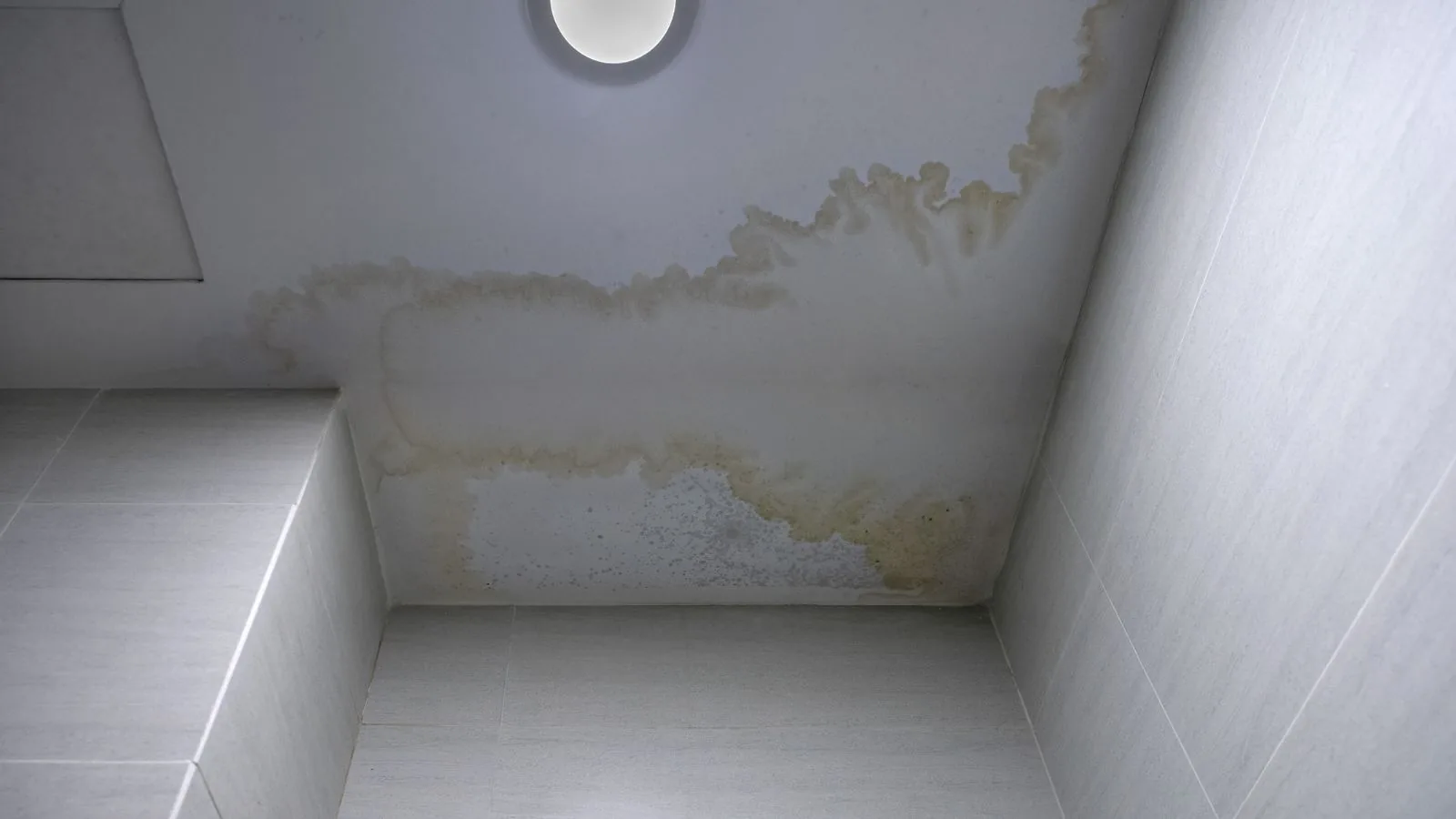
A water loss at a business is a time problem as much as a damage problem. Inventory, records, floors and equipment are at risk, and downtime costs money every day the doors are closed. If a pipe, roof or sprinkler has released water in your Chester property, this is an emergency and our 24/7 dispatch line is open.
Commercial water damage restoration in Chester, PA covers retail space, offices, restaurants, multi-unit buildings and light industrial properties. The aim is to dry the building quickly, document everything for the insurance claim, and get occupants back in.
First hour for a business
- Stop the sourceClose the main or the zone valve. For a sprinkler release, call the fire protection company and the fire department as needed.
- Protect peopleBlock off wet areas. Slip risks and electrical hazards are real in public spaces.
- Protect recordsMove paper files, servers and cash handling equipment above the water if it is safe.
- DocumentTake dated photos and video, and keep a list of damaged inventory.
Notify your property manager or landlord if you lease. Many leases split responsibility between tenant and building owner, and the first call to the right party saves time.
If you manage a building, here is what to do first: shut off the source, protect records and equipment and tell the crew who else shares the walls. Commercial drying also follows ANSI/IICRC S500, so ask your contractor about it.
For a building with a shop, offices and apartments under one roof, see how a loss is handled on the Downtown Chester water damage restoration page.
What commercial jobs involve
Commercial buildings have bigger floor areas, more finished surfaces and often shared walls. Extraction units and larger drying setups are used, and containment keeps unaffected suites open. Moisture mapping covers drop ceilings, partitions and flooring in large floor plates.
The crew documents with photos, moisture logs and equipment records. Those records support the insurance claim and any dispute with a landlord or tenant. The drying process is the same as described on the structural drying page, scaled up.
Common commercial water sources
Burst supply lines, failed roof drains, sprinkler discharges, upstairs tenant leaks and storm intrusion are typical. A roof or drain failure is similar to the cases on storm water damage. A building near the Delaware River or Chester Creek should check its FEMA flood zone, and the flood damage cleanup page covers contaminated flood water.
Restaurants and food businesses face extra rules for contaminated areas. Ask the local health authority what you must do before reopening.
Business water loss in progress? Call dispatch now.
☎ (856) 702-0892Keeping the doors open
Partial drying and phased work can keep some areas operating. Ask the crew to stage work after hours when you have to stay open. Quiet hours and power needs are coordinated at the start.
Dispatch can talk with you about equipment, power and access before arrival, including whether the building has enough electrical capacity for dehumidifiers.
Landlords, tenants and records
Commercial losses involve more people than residential ones. The property owner, the tenant, the property manager, the insurer and sometimes a neighboring tenant all have a stake. Decide quickly who calls whom, and write down times, names and instructions.
Keep dated photos and video, moisture logs, equipment records and a list of damaged inventory with approximate values. If your policy has business interruption coverage, ask your agent what it needs to see.
Businesses near the Delaware waterfront, Rivertown and the Commodore Barry Bridge corridor can be in mapped flood zones, and Chester Creek runs through the city. Check your address on the FEMA Flood Map Service Center, and ask your insurer whether flood is covered, since commercial policies often exclude it.
Cost factors and insurance
- Floor area and construction. Commercial buildings often have large floor plates.
- Contents and inventory. Moving and storing contents is a cost.
- Downtime. Quick drying shortens closure.
- Documentation. Detailed records add time but support claims.
Commercial property policies vary. Some include business interruption, and some water losses are excluded. Check your policy or ask your insurer or agent. The City of Chester Licenses and Inspections office posts forms for building permits and contractor licenses, so ask what applies to rebuild work. Call (856) 702-0892 for a scope conversation. Scope and price are explained before work starts.
Common questions
Do you handle commercial water emergencies at night or on weekends in Chester?
Yes. Dispatch answers 24 hours a day. Same-day response is offered when a crew is available, and the dispatcher will tell you honestly what to expect.
Can you work around business hours?
Often, yes. Tell the dispatcher your hours and any critical areas so work can be staged.
Do you work in multi-tenant buildings?
Yes. Containment and clear communication with property management matter most.
Do you help with insurance documentation?
We keep moisture logs, photos and equipment records that your insurer may ask for. We do not promise approval of a claim.
Who handles rebuild?
Rebuild may be done by your contractor or by ours. Ask for scope in writing before approving permanent work.
Still have a question? A dispatcher can answer it by phone any hour.
☎ (856) 702-0892