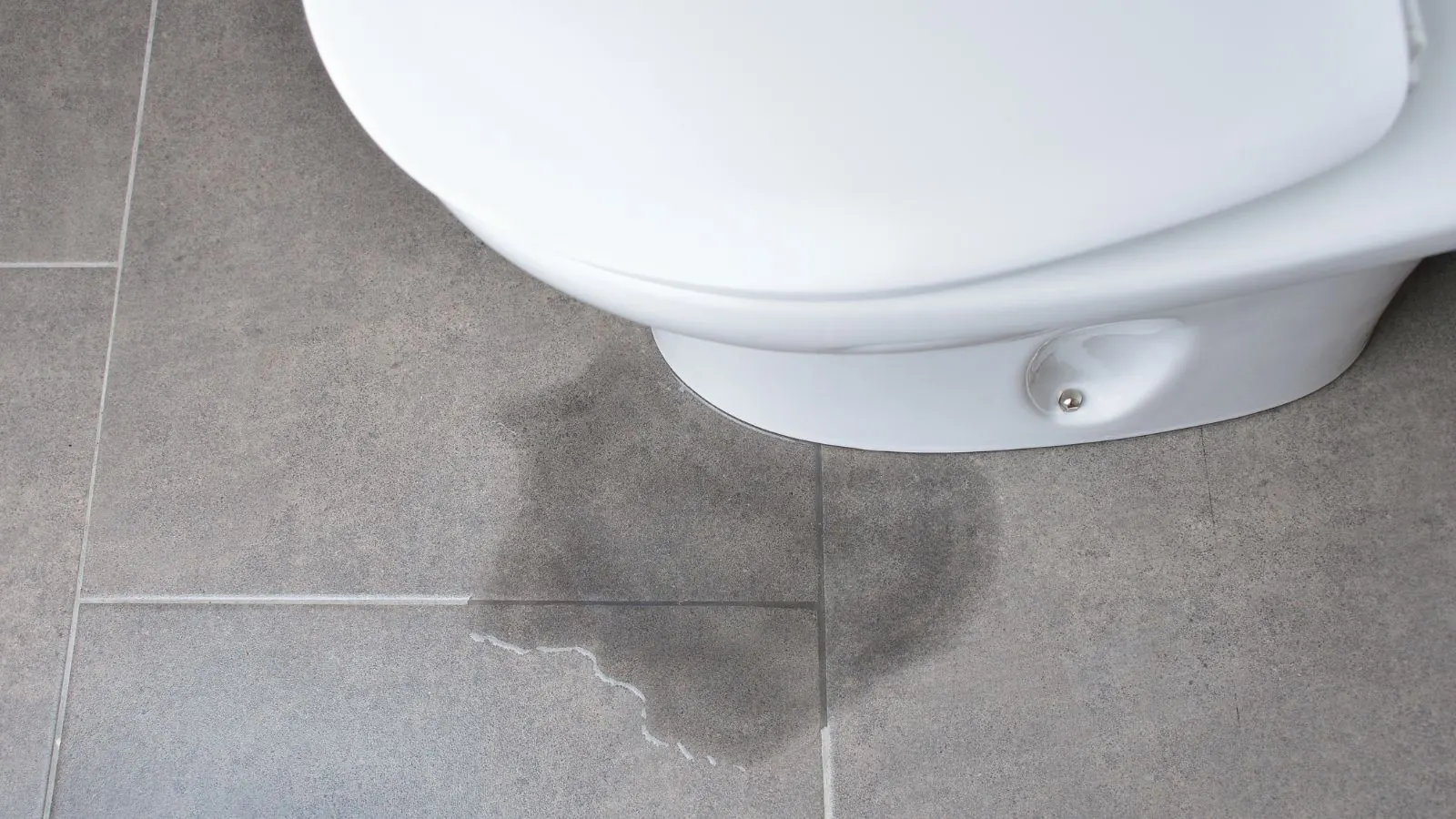
Sewage backup is the most serious kind of household water. The water that comes up through a floor drain, toilet or tub carries bacteria and viruses and is classed as Category 3, or black water, in the ANSI/IICRC S500 standard. If sewage is on your floor in Chester right now, keep everyone out of the area and call. Our 24/7 dispatch line is open.
Sewage backup cleanup in Chester, PA covers containment, removal of contaminated materials, disinfecting and drying. It is not the same job as clearing the drain. A plumber clears a blockage. This page covers what comes after.
Sewage backup: what to do first
Leave the room. Do not walk through the water and do not touch it with bare skin. Children, older adults and anyone with a weakened immune system should leave the house if the backup is large.
- Stop using waterDo not flush or run taps, since that pushes more into the line.
- Keep power safeIf the water is near outlets or a panel, do not step into it. Call 911 or the utility if you see sparking.
- Do not mix cleanersNever combine bleach with other cleaning products. Wait for trained crews for anything beyond a small spill.
- Photograph from a distanceTake pictures of the water line and damage before cleanup.
Call a plumber to find the cause. If the main line in the street is the problem, the sewer authority or municipality may need to be notified.
What sewage backup looks like in a home
Most backups start at the lowest drain in the house, a basement floor drain, a shower or a toilet, because water follows gravity. Slow drains, gurgling toilets and a sewer smell often come first. Heavy rain can overload the system and push water into low drains.
DELCORA, the Delaware County Regional Water Quality Control Authority, lists the City of Chester as a direct customer and operates its Western Regional Treatment Plant on West Front Street in Chester. If a backup might involve the public system, ask your municipality or sewer authority who to call. Check your water and sewer bill for the right contact.
How cleanup works
Crews set up containment to keep contamination from spreading, wear protective equipment, and extract the liquid. Porous materials that touched sewage, including carpet, pad, insulation and drywall, are usually removed and bagged for disposal. Hard surfaces and framing are cleaned and disinfected.
After cleaning, structural drying begins with air movers and LGR dehumidifiers, which are described on the structural drying page. Flooded areas below grade may also need the steps on the basement water damage page. For the water removal side, see water extraction.
Sewage in your home or business? Call dispatch.
☎ (856) 702-0892When sewage comes with flooding
A storm that overloads drains can bring both flood water and sewer water into a basement. The flood damage cleanup page explains how mixed events are handled. In either case treat the water as contaminated until a trained crew says otherwise.
Protecting your household afterward
Cleanup is not only about the floor. Wash hands with soap and clean water after any contact, and keep children and pets out of the area until the crew says it is clean. Throw away food that touched the water, including items in packaging that cannot be washed and sanitized.
Laundry and clothing that touched contaminated water should be washed separately. If your heating or air handling equipment sits in an affected area, ask the crew whether the ducts or equipment need cleaning before you run them.
Keep records. List ruined contents, take photos from a distance before disposal, and keep receipts for any hotel stay if the house is not livable. Your insurer may ask for them.
Cost factors and insurance
- Volume and rooms. More water, more removal and more disinfecting.
- Materials. Carpet and drywall are removed and replaced.
- Containment. Larger events need more setup.
- Cause. Plumbing work is separate.
Sewer backup is often excluded from standard homeowners policies unless a water backup endorsement was added. Ask your insurer whether you have one, and check your policy. Call (856) 702-0892 to talk through the scope. Scope and price are explained before work starts.
Common questions
Do you handle sewage backup emergencies at night or on weekends in Chester?
Yes. Dispatch is open 24 hours a day. Tell the dispatcher where the sewage is, how much, and whether anyone has contacted it. Same-day response is offered when a crew is available.
Can I clean sewage up myself?
A tiny spill from a single drain, maybe. Anything larger, anything that soaked carpet or drywall, or any backup that came with flooding, should be handled by trained crews with protective equipment.
Is sewage backup covered by insurance?
Often not unless you have a water backup endorsement. Check your policy or ask your insurer.
What is Category 3 water?
Category 3 water is grossly contaminated and may carry disease-causing organisms. Sewage and river flood water are typical examples.
Will you unclog the drain?
A plumber does that. We handle the contaminated water, removal, disinfecting and drying.
Still have a question? A dispatcher can answer it by phone any hour.
☎ (856) 702-0892