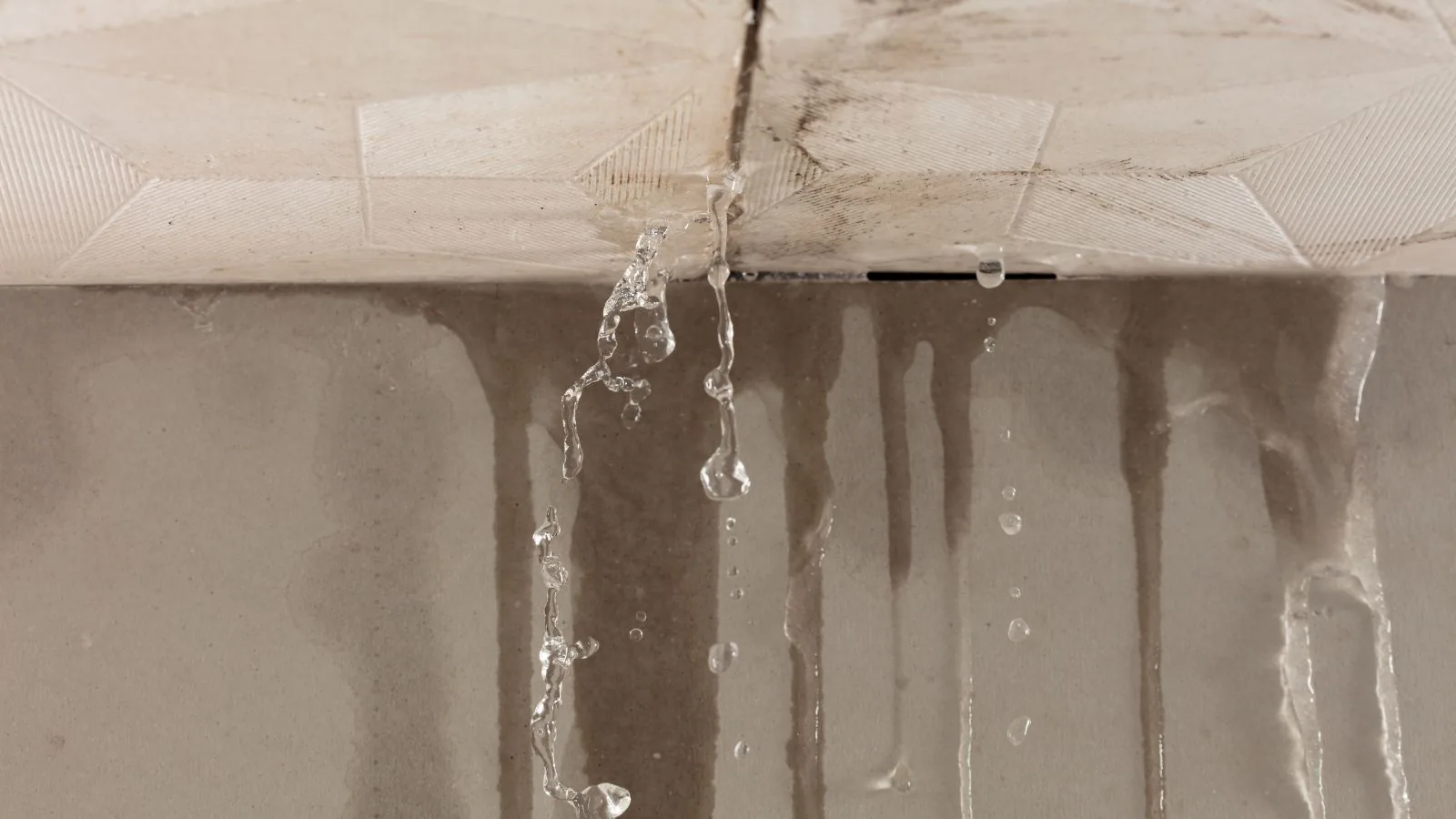
Storm water damage is water that gets into a building during or after severe weather: wind-driven rain through a damaged roof, water around a window, a tree limb through a wall. It is different from rising flood water, and different from a plain roof leak on a clear day. If water is coming in now, treat it as an emergency, and our 24/7 dispatch line is open.
Storm water damage cleanup in Chester, PA covers temporary protection, water removal and drying. Repairs to the roof or siding are a contractor job. We handle the water damage inside.
While the storm is still going
- Stay safeDo not go onto a roof or near downed lines. Call 911 for anything electrical or structural.
- Contain the waterUse buckets and towels, and move belongings out of the path.
- Shut off power to wet areasOnly if you can reach the panel safely and dry.
- PhotographTake pictures of damage inside and outside before cleanup.
Temporary protection, such as tarps, is a roofer or board-up job. Ask your insurer what emergency repairs are expected, and keep receipts.
Storm water cleanup follows ANSI/IICRC S500, which also defines the water categories that decide how contaminated rain or runoff is handled. Ask any company whether its crews follow it.
How storm water differs from flood water
Storm water that comes through the roof is usually rain water, which is cleaner than flood water but still dirty from roof surfaces and insulation. Water that rises from the ground is a flood and is handled under flood damage cleanup. A roof leak without a storm is covered under ceiling water damage repair.
Ask the crew how they classify the water. That decides how much material is removed and what protective equipment is used.
Cleanup and drying
Wet insulation, ceiling drywall and carpet near the entry point are removed or extracted. Moisture mapping shows where water traveled inside walls. Air movers and LGR dehumidifiers dry the structure over several days. Drying is described in detail on the structural drying page.
Storm water often reaches basements, too. If your lower level took on water through a window well or door, the basement water damage page covers that.
Storm water in your building? Call dispatch now.
☎ (856) 702-0892Storm season and Chester
The Delaware River borders Chester to the south, and the city sits in the Philadelphia region, which gets nor'easters, tropical storm remnants and summer thunderstorms. For the current forecast and any warnings, use the National Weather Service.
If storm damage is widespread, crews are in demand. Calling early helps. A dispatcher will tell you honestly about timing.
After the storm: document and protect
Once it is safe, walk the property with your phone. Photograph the roof edge, windows, gutters and any trees or limbs that fell, then go inside and photograph the ceilings, walls and floors that got wet. Take wide shots and close-ups.
Make temporary repairs that stop more damage, such as covering an opening, and keep every receipt. Pennsylvania Insurance Department guidance is to make urgent repairs but wait for your insurer to agree before permanent ones.
Check the attic if you can do so safely. Wet insulation near the roof deck is a sign of a leak you cannot see from below. Do not step on ceiling drywall or between joists. If you are unsure, leave the attic check to the crew.
Cost factors and insurance
- Entry point. A single window is smaller than a damaged roof.
- Time before drying. Water that sat for days adds scope.
- Insulation and ceilings. Wet ceiling materials are removed.
- Temporary protection. Tarping and board-up are separate.
Wind and rain damage is often covered by homeowners insurance, and flooding is often excluded. Check your policy or ask your insurer, and wait for your insurer to agree before permanent repairs. Call (856) 702-0892 for a scope conversation.
Common questions
Do you handle storm water damage emergencies at night or on weekends in Chester?
Yes. Dispatch answers 24 hours a day. After a big storm, the dispatcher will tell you honestly about timing. Same-day response is offered when a crew is available.
Do you tarp roofs?
Roof tarping is a roofer service. We handle the water inside and can advise on what to document.
Is storm damage covered by insurance?
Often wind and rain damage is covered, and flood damage is often not. Read your policy or ask your insurer.
How is storm water different from a flood?
Storm water enters from above, through a roof or window. Flood water rises from outside and is treated as contaminated.
Should I remove wet drywall myself?
Not until the area is photographed and, ideally, assessed with a meter. Wet ceiling drywall can be heavy and unsafe.
Still have a question? A dispatcher can answer it by phone any hour.
☎ (856) 702-0892