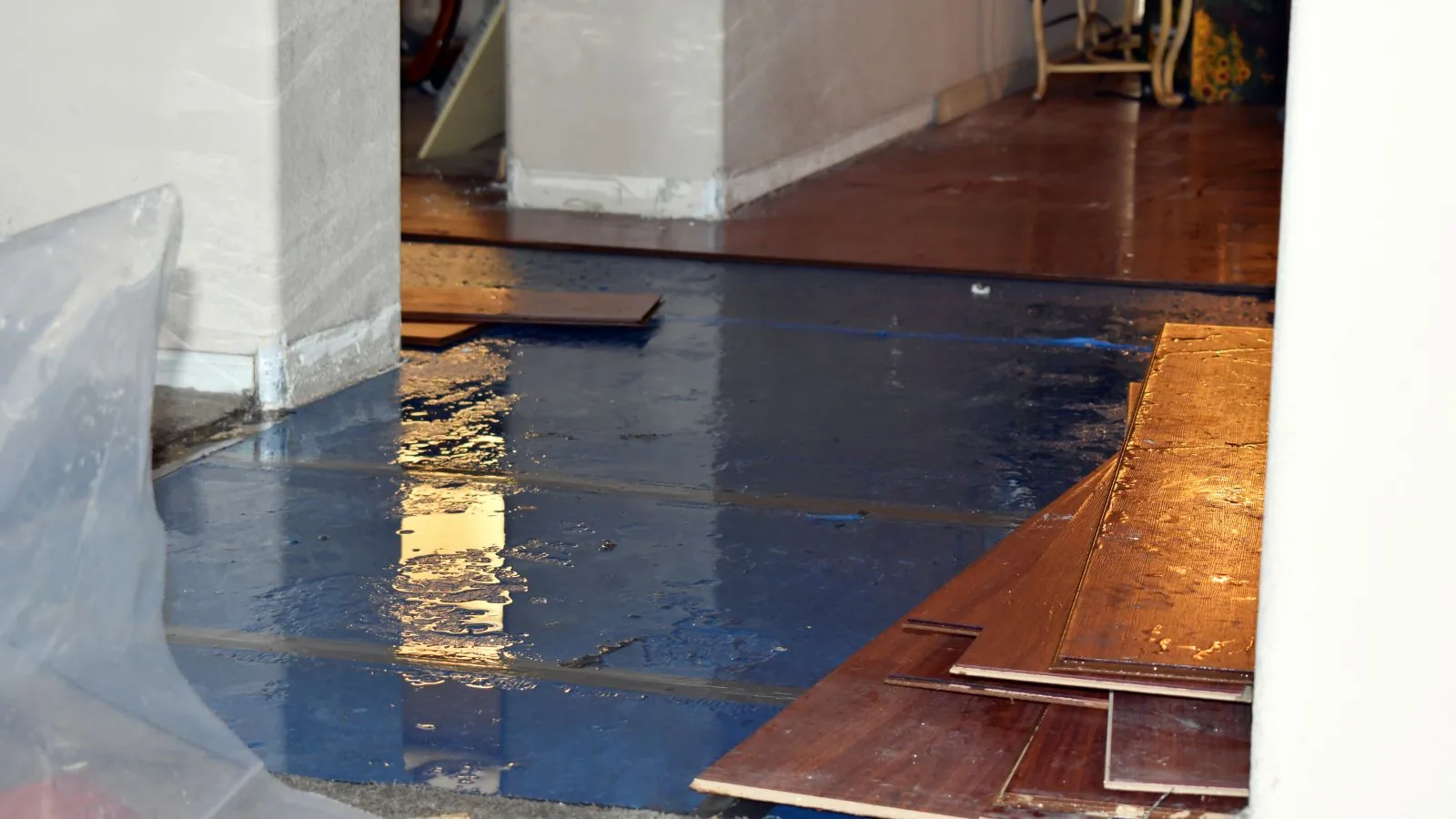
After a leak or flood, the first question is often how long you have before mold appears. The best guidance is a window, not an exact clock. The EPA says it is important to dry water-damaged areas and items within 24 to 48 hours to prevent mold growth.
This guide explains that window, why it varies and what to do with each day.
The 24 to 48 hour window
Mold needs moisture, a food source such as wood, paper or drywall, and time. Most buildings have the second two everywhere, so moisture is what you control. EPA says the key to mold control is moisture control.
The window is a target, not a countdown to disaster. Growth may begin sooner in warm, humid conditions and on porous materials, and slower on materials that dry quickly. The aim is the same either way, which is to dry fast.
What to do hour by hour
- In the first hours, stop the water and remove standing water.
- Within the first day, remove soaked rugs, pad and wet contents and start air movement and dehumidification.
- By the second day, open wet cavities and confirm with a meter that materials are drying.
- After that, keep drying until readings match the dry standard.
Removing the bulk water first is the step that sets everything after it.
Materials that cannot be saved
EPA guidance says porous materials that are wet and have mold, such as ceiling tiles and carpet, should usually be thrown away. Items that stay wet beyond the window are the usual casualties. Pad, insulation and the lowest strip of wet drywall are the first to go in many jobs.
Hard, non-porous materials can usually be cleaned and dried. When in doubt, ask the crew what readings show.
Signs growth has started
- A musty smell that persists after drying.
- Spots or fuzzy patches on walls, ceiling or the back of furniture.
- Paint that bubbles or stains that return.
- Condensation that never clears from a room.
EPA says sampling is unnecessary if visible mold growth is present. If you see growth, the question becomes size, material and moisture source.
If the window has passed
Do not panic. Dry the area anyway, since drying stops further growth. Assess the extent, clean small hard-surface areas with detergent and water and dry them, and call a professional for larger areas or growth inside walls. Health questions belong with your physician.
Our mold remediation page explains the process, and the structural drying page explains how to stop the moisture driving it.
Water in the last 48 hours? Call dispatch now.
☎ (856) 702-0892Why some materials turn faster than others
Paper facing on drywall, ceiling tile, cardboard and carpet backing are food-rich and absorb water quickly. Solid lumber, tile, glass and metal are not. A flooded basement with stored cardboard boxes can show growth on the boxes before it shows any on the framing.
That is why contents are part of the first-day work. Lift boxes and books off the floor, open them to air and sort what is salvageable from what is not.
What a professional adds to the first two days
Pumps and extractors remove far more water than towels do. Air movers and dehumidifiers dry the air and the structure together, and meters show whether the wet materials are drying or not. These are the tools that make the 24 to 48 hour target realistic for a bigger loss.
If you called late, a professional can still help. Drying later is still better than not drying, and the assessment shows what has to be removed and what can stay.
A checklist for the first 48 hours
- Shut off the water source and confirm it has stopped.
- Photograph and film the damage before moving things.
- Remove standing water and soaked rugs, pad and contents.
- Start air movement and dehumidification as soon as possible.
- Open cabinet doors, closets and wall bases so air reaches hidden areas.
- Move wet paper, books and cardboard to a dry space to sort.
- Call your insurer and a restoration company the same day.
Items in this list are practical rather than technical. Doing even half of them in the first day makes a visible difference to what has to be thrown away.
Common myths about mold timing
One myth says mold appears the moment something gets wet. Another says it cannot appear for a week. The EPA window of 24 to 48 hours sits between those and is a planning target. A third myth says a dry-feeling surface means a dry wall. A meter is the only reliable test.
A fourth myth says you can wait for the insurance adjuster before doing anything. Insurers expect you to take reasonable steps to prevent further damage, so document first and then start drying.
Chester, PA: wet weekends and damp basements
Humid weather shortens the margin. In Ridley Park and Swarthmore, as everywhere, a wet summer weekend with the air conditioning off can use up the window quickly, so start drying right away.
If water came from outside, check the FEMA Flood Map Service Center for your address and ask your insurer about flood coverage.
Mold timing questions from Chester homeowners
Is it always mold after 48 hours?
No. The window is a guide. Materials that dried fast may be fine, and a meter shows the answer.
Does bleach stop mold?
EPA says routine bleach use during mold cleanup is not recommended. Dry and clean instead.
Can I just run a fan?
A fan alone moves moisture around. Pair it with dehumidification.
What if the leak was last month?
Dry it now and have a moisture reading done to see what is wet.
Still have a question? A dispatcher can answer it by phone any hour.
☎ (856) 702-0892