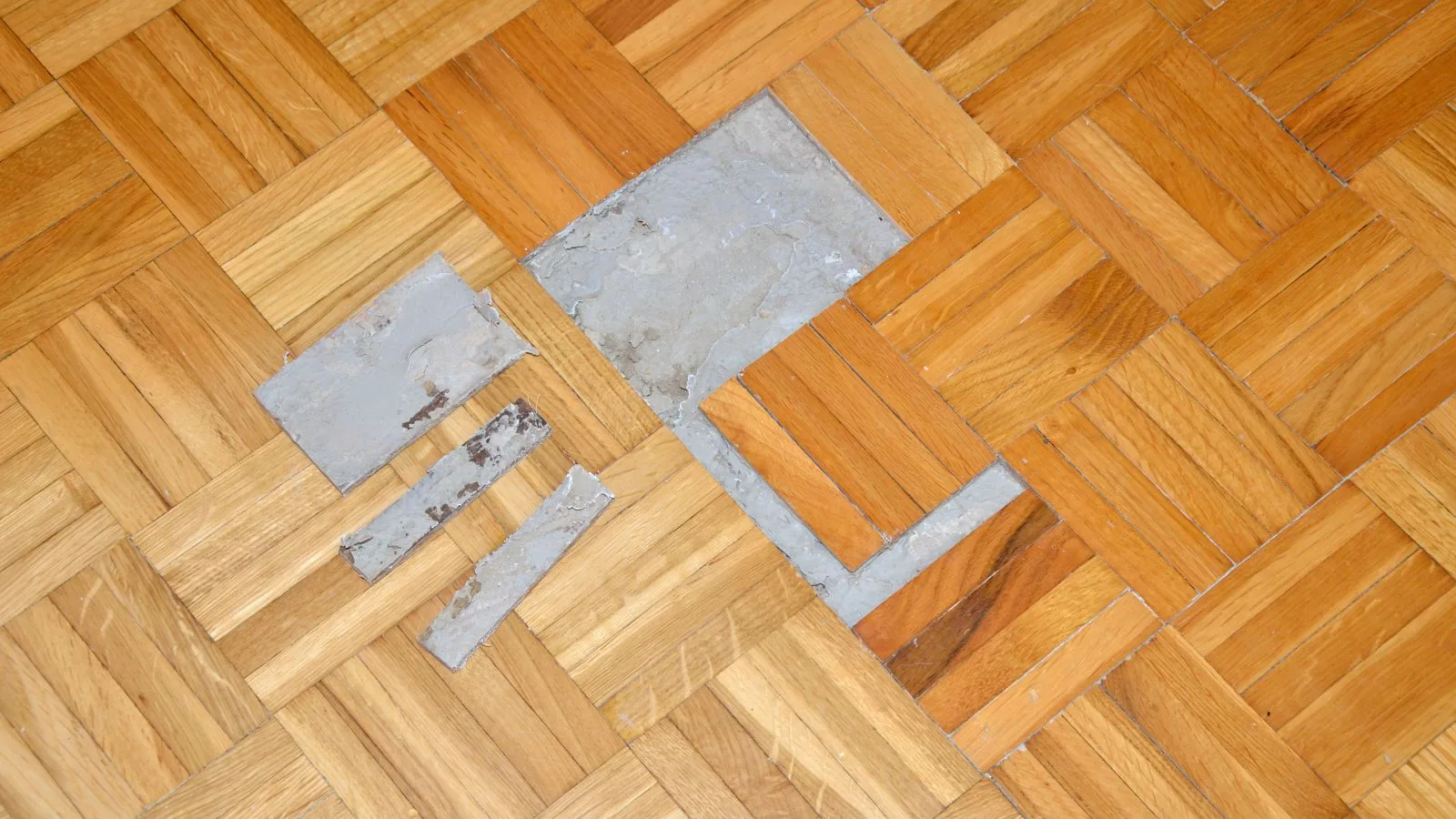
A stain on a ceiling or a soft spot in a floor raises a question: is this old damage that was fixed, or an active leak? It matters for repairs, for insurance and for anyone buying or selling a home.
This guide shows the differences you can check by eye, explains what a meter adds and explains why a stain that looks old may still be a problem.
What active damage looks like
- Material that feels cool, damp or soft to the touch.
- Stains with soft, spreading edges.
- Peeling paint that is still wet underneath.
- A fresh, musty smell.
- Drips, sounds or a rising water bill.
Active damage changes. Mark the edge of a stain with a pencil and a date, and look again after a few days. If the edge moves, water is still arriving.
Professional assessment of wet and dry materials follows ANSI/IICRC S500, the published standard for water damage restoration.
What old, dried damage looks like
Dried stains often have hard, defined edges and may show rings where water stopped at different times. Surfaces are dry and the material feels firm. Paint may be cracked rather than bubbling.
Old does not mean harmless. Drywall that was wet and dried may be weaker, and hidden materials may have had growth. A ring that shows several lines may mean the leak came and went.
What a meter adds
A moisture meter reads the water content of a material. Compare readings at the stain with readings in a dry area of the same material. A thermal camera shows cool areas that suggest moisture. Together they separate dry damage from wet damage in minutes.
Readings also reveal when a stain is dry but the wall next to it is not, which points to a source still active nearby.
Why it matters for repairs
Painting over a stain that is still wet wastes the paint and hides the evidence. Replace or repair only once the source is found and the area is dry. The ceiling water damage repair page explains how to confirm a ceiling is dry before finishing.
If the damage is hidden in a wall, the wall and drywall page explains when opening it is worth doing.
Why it matters for insurance and sales
Insurers distinguish sudden damage from gradual damage, and a stain with several rings can suggest gradual. Buyers and inspectors will also notice stains. A dated record of the cause, the repair and a dry reading answers their questions.
We cannot tell you what to disclose when selling. Ask your real estate professional or attorney.
Want a reading on that stain? Call dispatch.
☎ (856) 702-0892A simple check you can do
- Photograph the stain with a coin or ruler for scale.
- Mark its edge with a pencil and the date.
- Press the area gently with a gloved finger to check for softness.
- Check the room above for plumbing, windows or roof leaks.
- Look again after rain and after showers, and compare.
If the stain grows or the material is soft, have it checked.
Common look-alikes
Not every stain is water. Smoke and soot deposits, rust from fasteners, tannin from wood and old nicotine staining can all look like water marks. A stain over a nail head with a small orange dot is often rust. A stain with a uniform tan color on a ceiling above a smoker's room may be residue.
A meter helps again here. Water stains in dry material read dry. Active damage reads wet. Texture and smell add clues, but a reading ends the guessing.
What to record
- Dated photographs from several angles.
- Meter readings at the stain and in a dry reference area.
- Where the stain sits relative to plumbing, windows and the roof.
- Any repair work with dates, names and receipts.
- Weather at the time the stain grew, if it grew.
A record like this answers most questions from insurers, inspectors and buyers without any argument.
When to call someone in
Call a professional if the material is soft, if a stain has grown, if a smell is present or if you find damage near wiring. Call as well if you cannot find the source after a basic check. A moisture reading takes little time and settles the question.
If the damage turns out to be old and dry, you still gain a documented baseline. If it is active, you have caught it earlier than the next heavy rain or the next water bill would have shown.
Either result is better than guessing, especially when a home sale, a claim or a repair is involved.
Chester, PA: older houses and stained plaster
Houses of different ages show water damage differently. Plaster walls, common in older homes, hold stains and show cracking, while drywall shows bubbling and soft spots. If you are buying in Wallingford or Swarthmore, ask for a moisture reading at any stain.
For a stain on a street-side wall near a curb, check whether the water utility is involved. Chester Water Authority lists a 24 hour emergency line on its website.
Old vs new damage questions from Chester homeowners
Can a dry stain still be a problem?
Yes. Hidden wet material or past growth can sit behind a dry stain. A meter and a look inside a small opening answer the question.
Does a meter reading prove how old damage is?
No. It shows how wet a material is now. Age comes from the evidence around the stain.
Should I paint over an old stain?
Only after confirming the area is dry and the source is fixed.
Who can check this for me?
A restoration company or home inspector with a moisture meter.
Still have a question? A dispatcher can answer it by phone any hour.
☎ (856) 702-0892