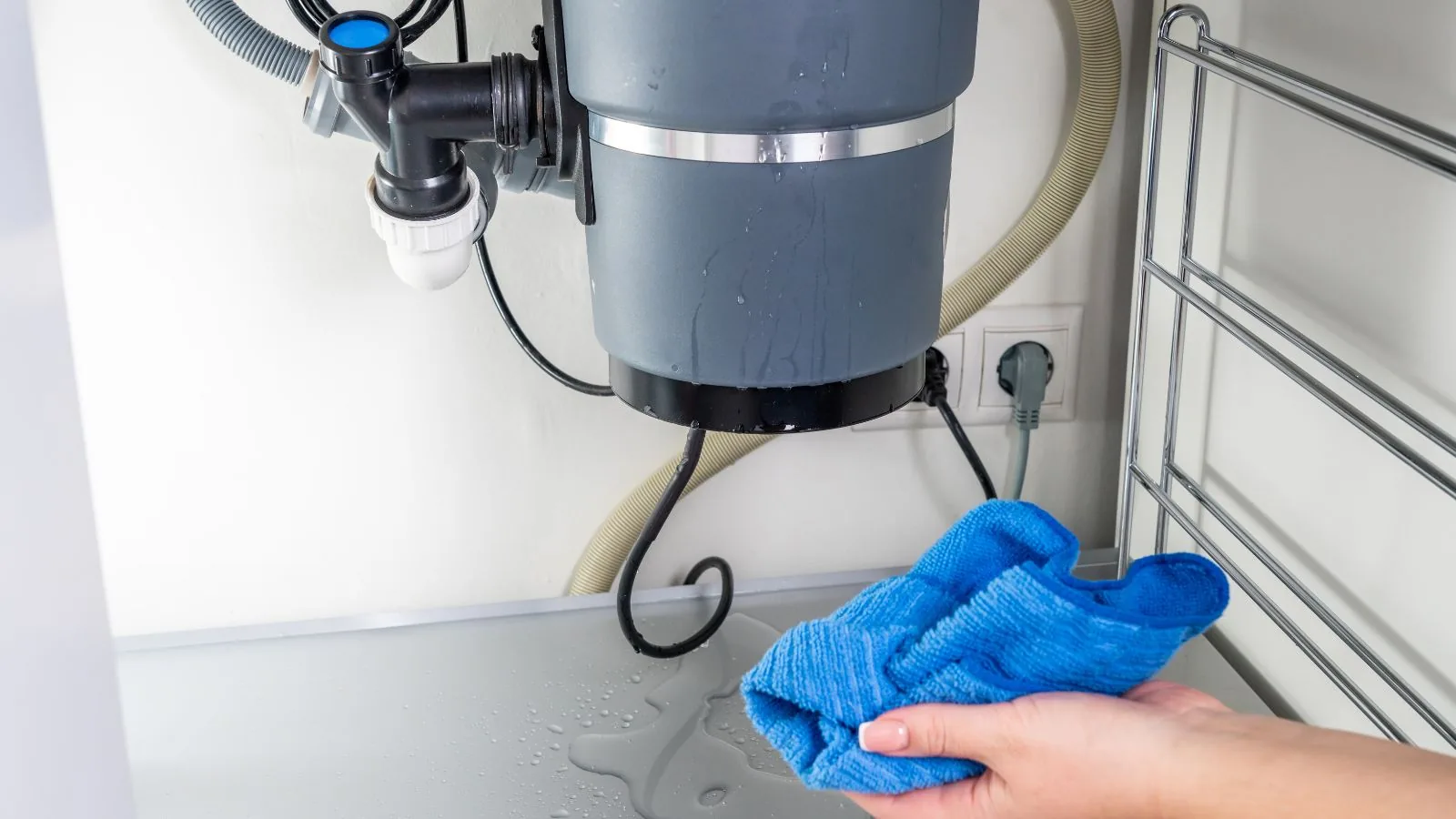
A water heater drips onto a closet floor. A dishwasher hose weeps. A small stain shows on a kitchen ceiling. Is it worth a claim, or does a small repair out of pocket make more sense? The answer is personal, and we are not insurance advisors, so this guide sets out the factors to weigh.
Whatever you decide, document the damage and fix the source. Those two steps keep every option open.
The deductible comes first
If the cost to repair is near or below your deductible, a claim pays little or nothing. Find the deductible on your declarations page and compare it with a written estimate. Remember that hidden damage can raise the estimate once walls are opened.
Some policies carry a separate deductible for water or wind events. Ask your agent rather than guessing.
Whatever you decide about a claim, drying a leak properly follows ANSI/IICRC S500, the published standard for water damage restoration.
Reporting versus filing
Telling your insurer about a loss and filing a claim can be different, and insurers record inquiries in different ways. Ask your agent what happens if you call with a question and what is recorded. Do not rely on a friend's experience, because practices vary.
Pennsylvania Insurance Department guidance is to contact your insurer promptly after a loss. A short call to ask how your policy treats a small loss is a reasonable step.
When a small leak is not small
- The water ran for more than a day, or you do not know how long.
- It reached insulation, subfloor or a wall cavity.
- You smell mustiness or see staining spreading.
- The water was not clean, such as a drain or sewage source.
- More than one room is affected.
A wet appliance leak that looks minor can hide a soaked subfloor. The appliance leak page explains where those leaks travel, and the water heater leak page covers tank failures.
Document it anyway
Photos of the source, the damage and the repair are cheap insurance against a later dispute. Keep receipts and the failed part. If the same area shows problems a year from now, a record of what happened and what you fixed helps you and a future buyer.
EPA guidance says to dry water-damaged areas within 24 to 48 hours. Dry thoroughly whether or not you file.
A simple way to decide
- Stop the source and dry what you can.
- Photograph everything.
- Get a written estimate for repair, including hidden damage.
- Read your deductible and the water sections of your policy.
- Call your agent with questions before deciding.
If you are unsure, ask your insurer. We cannot tell you whether to file.
Small leak, big question? Call dispatch.
☎ (856) 702-0892What a small repair really includes
Fixing a leak is more than replacing the part. It means drying the wet material, checking the cavity, repairing finishes and confirming no moisture remains. A quote that covers only the part misses the other steps.
Ask for a moisture reading before and after, so you know the area is dry. That record helps whether you file or not.
Talking to your agent
Write down your questions before you call. Ask how the policy treats this type of leak, what the deductible is, whether a claim of this size is likely to be paid and how small claims are recorded. Ask whether there are conditions on reporting time.
Take notes during the call and ask for the answers in writing if the decision is a close one.
What a future buyer will want to know
A home inspector or buyer may ask about past water events. Disclosure rules are a matter for your real estate professional or attorney, and we cannot advise on them. What we can say is that a record of what happened, how it was fixed and how it was dried makes the conversation easier.
Keep a simple folder with photos, receipts, moisture readings and the name of whoever did the work. If the leak was never claimed, the folder still shows the repair was done properly.
Signs it is time to call a restoration company
Call if the area stays damp after a day of drying, if the stain keeps growing, if a smell develops or if you cannot find the source. A moisture reading is quick, and it tells you whether this is a small repair or a hidden problem.
Describe what you see plainly to dispatch. They can tell you what to watch for and whether it sounds like something a reading should check.
Chester, PA: older homes and hidden leaks
Older houses in Aston and Wallingford often have long pipe runs and original fixtures. A small leak there can run along framing before it shows, so a moisture reading is worth the effort even when the stain is tiny.
The Pennsylvania Insurance Department takes consumer questions and complaints about insurers, which is a place to turn if you cannot get a clear answer.
Small leak questions from Chester homeowners
Will filing a claim raise my premium?
It can, depending on the insurer and your history. Ask your agent how small claims are handled.
Can I fix the leak and not tell my insurer?
You can, but you lose the ability to file later if hidden damage appears. Keep records either way.
What if I rent?
Tell your landlord in writing right away and keep a dated record. The landlord's insurance, not yours, covers the building.
Is a slow drip covered?
Gradual leaks are often excluded. Check the wording on gradual seepage in your policy.
Still have a question? A dispatcher can answer it by phone any hour.
☎ (856) 702-0892