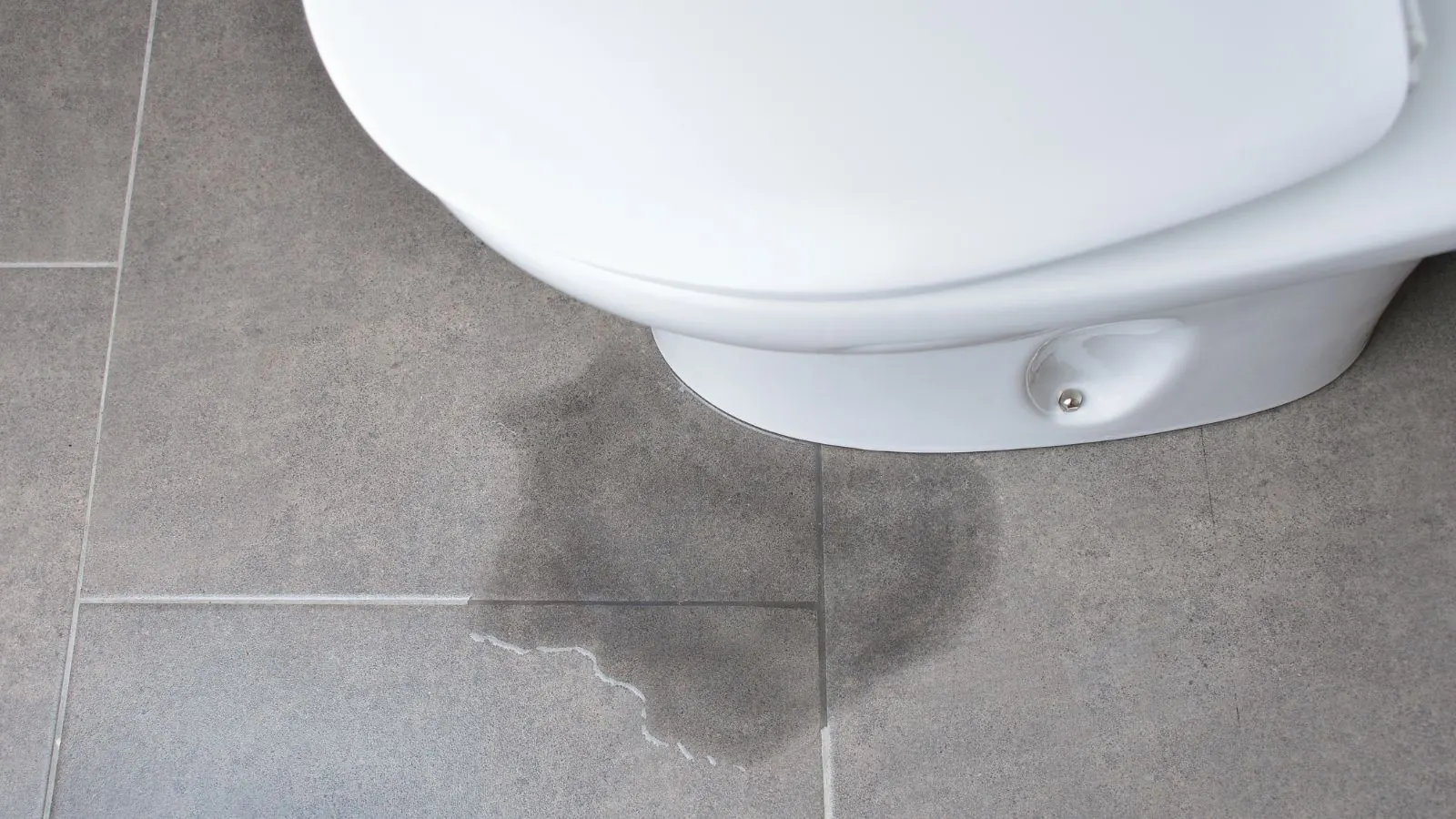
When a restoration company asks what category the water is, it is asking how contaminated it is. The answer changes the protection crews wear, the materials that can be saved and the way waste is handled. The ANSI/IICRC S500 standard defines the categories, and you can ask any company whether its crews follow it.
This guide describes each category in plain terms, explains how water changes category over time and shows what to do while you wait for help.
Category 1: clean water
Category 1 water comes from a sanitary source, such as a supply line, a faucet or a tank. It does not pose a significant risk at the start. A burst pipe or an overflowing sink is the typical case.
Clean water is the easiest to dry and the most forgiving. Carpet, pad and drywall can often be dried in place if the response is fast.
Category 2: gray water
Category 2 water has some contamination and could cause discomfort if it were consumed or contacted. Typical sources include washing machine and dishwasher discharge, toilet overflow with urine only and water from a waterbed.
Gray water needs more care. Porous materials such as carpet pad are often removed, and surfaces are cleaned after drying.
Category 3: black water
Category 3 water is grossly contaminated. Sewage, rising floodwater from rivers or creeks and water from toilet backups beyond the trap all belong here. It can carry bacteria and other contaminants.
- Keep people and pets out of the affected area.
- Do not touch the water or try to clean it without protection.
- Expect porous materials in contact with it to be removed and discarded.
- Expect hard surfaces to be cleaned and treated after the material is out.
Our sewage backup cleanup page explains the process for contaminated losses.
How water changes category
Water does not stay in its category. Clean water that sits on materials for a day or two picks up contamination and drifts toward category 2. Category 2 water left in place can move to category 3. Time, temperature and what the water touches all play a part.
This is one more reason to start extraction fast. The water extraction page covers the first steps for each type of loss.
What to do while you wait
- Do not assume the water is clean because it looks clear.
- Shut off the source if you can do so safely.
- Wear boots and gloves if you must enter, and avoid skin contact.
- Keep children and pets away.
- Photograph everything from a safe distance.
Tell dispatch what the source is. Water from the floor drain, the toilet or outdoors is a different job than water from a supply line.
Unsure what kind of water it is? Call dispatch.
☎ (856) 702-0892Insurance and the category
Category matters to insurers because coverage often depends on source. Sudden clean water damage is often covered, while flooding and sewer backup often need separate coverage. Check your policy or ask your insurer.
Document the source and the category your crew assigns. The record supports a claim and explains the scope.
What each category means for your belongings
Clean water from a supply line usually leaves furniture, books and clothing salvageable if they are dried fast. Wood furniture may need to be lifted off wet floors and propped for airflow. Paper and cardboard that sat in water are usually thrown away.
Gray water contents are cleaned or discarded depending on the item. Black water contents, especially porous items such as upholstery, mattresses and stuffed toys, are normally discarded. Photograph items before they go, and keep a list for your insurer.
Protection for the people doing the work
Crews wear gloves, boots and eye protection for gray water, and add respirators and disposable suits for black water. They set up containment so contamination does not move to clean rooms. You may see plastic sheeting, tape and air scrubbers.
These are not signs of drama. They are what the standard expects, and a crew that skips them on a sewage job is a crew to question.
Questions to ask the crew about the category
- What category do you believe the water is, and what makes you say so?
- Will the category change the scope or the materials that come out?
- What protection and containment will you use?
- How will contaminated material be bagged and disposed of?
- Will you document the category and the reasoning in the scope?
A company that works to ANSI/IICRC S500 should answer these easily. The answers also give you something concrete to share with your insurer, who will want to know how the loss was classified.
If the answers are vague, or if the crew treats a sewage or flood loss like a clean water job, pause and ask again before work goes further.
Chester, PA: river and creek flooding is category 3
Chester sits on the Delaware River, and Chester Creek meets the river inside the city. Flood water from either would be category 3. The FEMA Flood Map Service Center shows whether your address is in a mapped flood zone.
The same flood-map check applies to addresses in Brookhaven and Ridley Park.
Water category questions from Chester homeowners
Is rainwater category 1?
Rain that comes through a roof picks up contaminants from materials and is often treated as category 2. Rain that floods in from the ground is category 3.
Can category 3 water be dried and saved?
Hard materials can often be cleaned. Porous materials are usually removed.
Who decides the category?
The restoration professional, based on the source and conditions. Ask for the reasoning.
Does the category change the cost?
Yes, since protection, disposal and removal scope change.
Still have a question? A dispatcher can answer it by phone any hour.
☎ (856) 702-0892