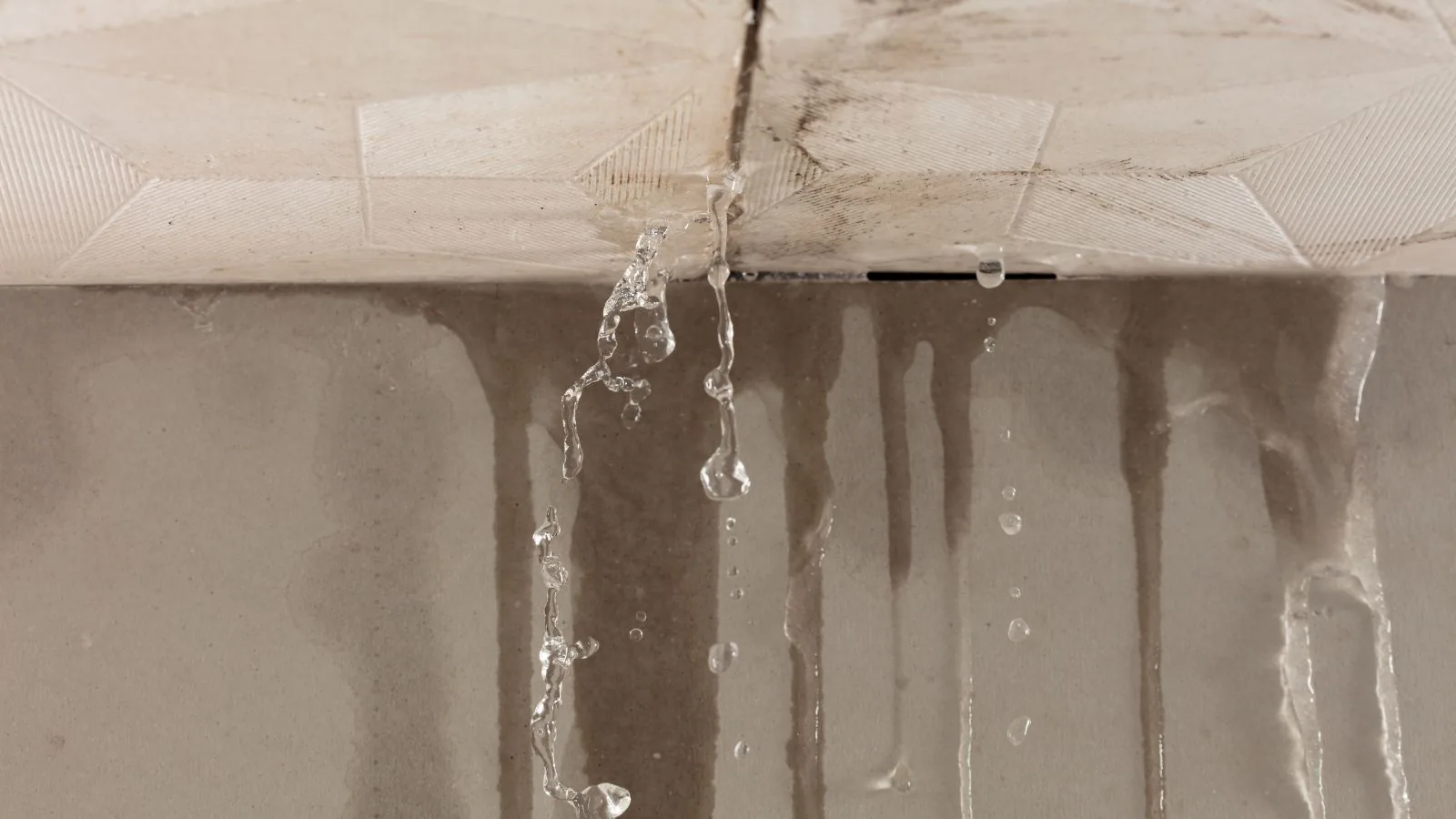
A water damage claim goes better when the first day is organized. Insurers want to know what happened, what was damaged and what you did to stop it from getting worse. Most of that evidence disappears once cleanup starts, so the order of your first steps matters.
This guide lays out a practical sequence for the first week. It follows the advice the Pennsylvania Insurance Department gives homeowners, and it does not promise any outcome from your insurer.
Step one: make it safe and stop the water
Close the valve, shut off power to wet areas only if you can do it safely, and get people and pets out of danger. Safety comes before paperwork. If the water is near electrical equipment, call 911 or the utility before anything else.
Then take reasonable steps to prevent further damage. Insurers expect that, and many policies require it. Moving belongings, mopping and extracting water, and covering openings count. Keep receipts for anything you spend.
The restoration records your insurer will want, such as moisture readings and equipment logs, come from work done to ANSI/IICRC S500, the published standard for water damage restoration.
Step two: document before you clean
The Department's guidance is to take pictures or video of the damage before you clean up or make repairs. Walk through every wet room slowly. Capture wide shots, then close-ups of the source, stains, water lines and damaged belongings.
- Photograph the source of the water and any broken part, such as a split hose, and keep the part if you can.
- Film a slow walk through each room while narrating what you see.
- Photograph serial numbers and labels on damaged appliances and electronics.
- Write down the date and time you discovered the damage, and what you did first.
Keep the photos in the cloud as well as on your phone.
Step three: call your insurer
Contact your insurance company as soon as you can and follow its instructions. Write down the name and title of each person you speak with, the date and what they said. Ask for the claim number and for the time frame for an adjuster visit.
Ask what mitigation work is expected before the adjuster arrives and what repairs must wait. The Department advises making urgent repairs to prevent further damage but not making permanent repairs until the insurer approves them.
Step four: mitigation and the paper trail
A restoration company extracts water and dries the structure. Ask for a written scope, daily moisture readings and an equipment log, which show what was wet and when it was dry. Those records support your claim and any later disagreement.
Keep a folder with receipts, invoices, photos, the claim number and your notes. Drying is explained on the structural drying page, and extraction on the water extraction page.
Need water removed and documented? Call dispatch.
☎ (856) 702-0892Step five: contents, estimates and settlement
List damaged belongings with approximate age and value. Keep damaged items until the adjuster has seen them, unless they are unsafe, in which case photograph them first. Get repair estimates in writing.
The Department advises finding out the total repair cost before accepting a settlement. If a claim is denied, review the policy and consider appealing to the insurer's claim manager.
What to say on the first call
Keep the first call simple. Say what happened, when you found it, what you did to stop it and where the water is now. Do not guess at the cause beyond what you saw, and do not speculate about fault. If you do not know something, say so and offer to send photos.
Ask four things before you hang up: the claim number, what the insurer expects you to do before the adjuster visit, whether it has preferred vendors and whether you can pick your own, and how to submit photos and receipts. Write the answers down with the date and the name of the person.
Building a clean claim folder
- A dated list of everything that was wet and where.
- Photos and video, backed up off the phone.
- The restoration scope, daily moisture readings and equipment log.
- Receipts for emergency purchases such as fans, tarps and storage.
- A running log of every call, email and visit with names and dates.
- Repair estimates, in writing, for each room.
A folder like this turns a stressful month into a set of documents you can hand over. If a dispute comes up later, the dates and readings do most of the talking.
Chester, PA: permits and paperwork after a water loss
In Chester, rebuild work may require city permits. The City of Chester Licenses and Inspections office posts forms for building permits and contractor licenses on the city website. Ask the office what applies before major repairs.
If you rent, the same office posts rental registration and licensing forms. Tenants in Swarthmore, Aston or anywhere else should tell the landlord in writing right away and keep a dated record of what was reported.
Claim questions from Chester homeowners
How long do I have to file a claim?
Policies set their own reporting time frames. Read yours or call your insurer, and report as soon as you discover the loss.
Do I need an inventory before a loss happens?
It helps a lot. The Department suggests keeping a home inventory with photos or videos stored online. If you do not have one, make a list now for the damaged rooms.
What if my insurer is slow to respond?
Keep mitigating to prevent more damage, document each delay and follow up in writing. The Pennsylvania Insurance Department takes consumer complaints.
Do I need city permits for drywall and flooring in Chester?
Rules vary by the work. Ask the City of Chester Licenses and Inspections office before starting anything beyond small repairs.
Still have a question? A dispatcher can answer it by phone any hour.
☎ (856) 702-0892